When schoolteacher-turned-whaleman Ishmael walked the streets of “your insular city of the Manhattoes,” he knew New York as oceanic city and commercial capital. Standing on the Battery looking south, he saw a cityscape “belted round by wharves as Indian islands by coral reefs – commerce surrounds it with her surf.”
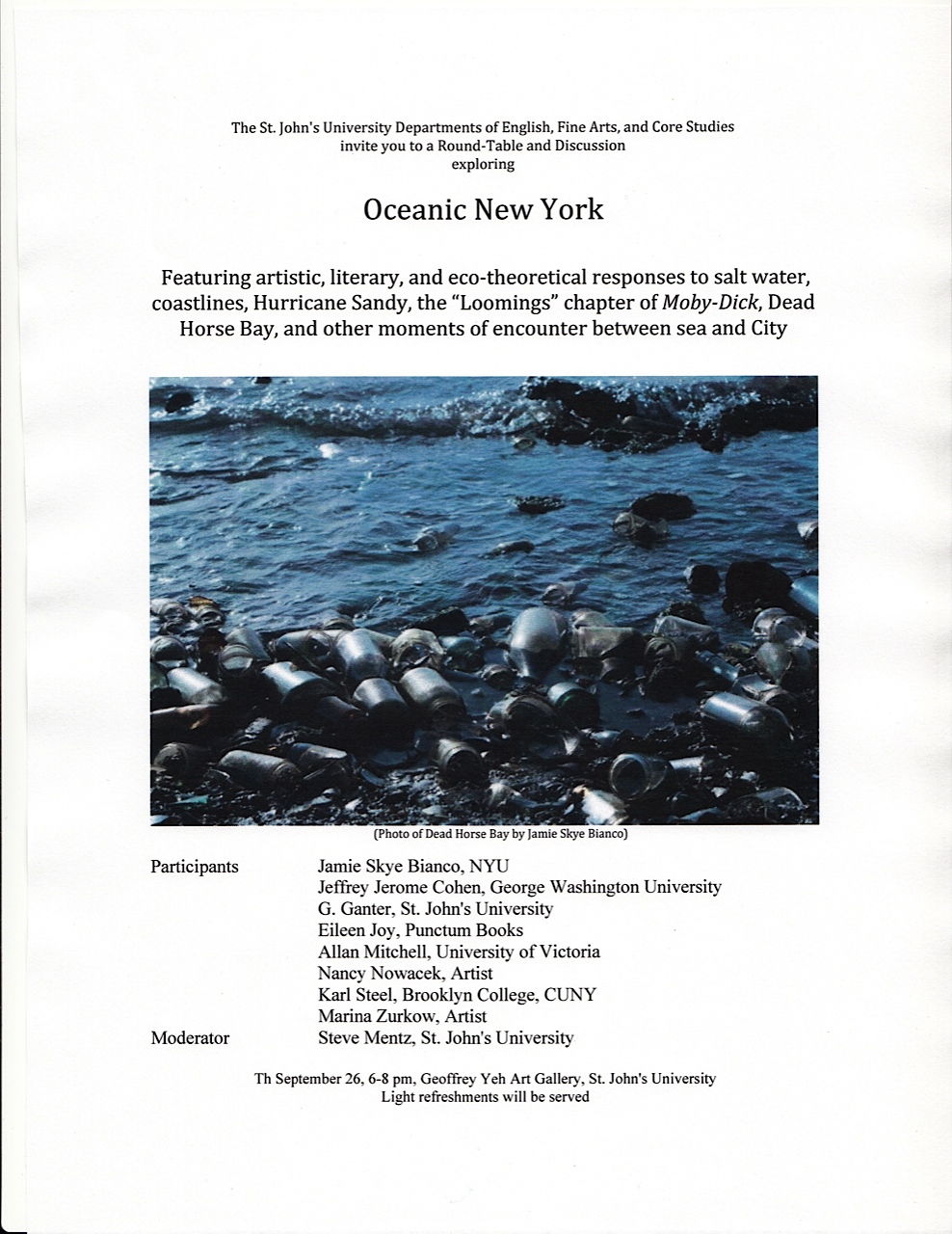
Today commerce dominates but the surf lies hidden. This round-table event digs into New York City’s asphalt, pries up the streets, and finds underneath not beach, but – ocean.
Oceanic New York aims to recover traces of the salt-water past that still lies beneath New York’s urban feet. Taking inspiration from Elizabeth Albert’s gorgeous and startling exhibition, “Silent Beaches, Untold Stories,” — about which I’ll have more to say soon — we’ll plunge into the urban and the oceanic. “Circumambulate the city of a dreamy Sabbath afternoon,” entices Ishmael. Everywhere people stare toward water. “Nothing will content them but the extremest limit of the land,” says the mast-head philosopher. That’s where we want to be.
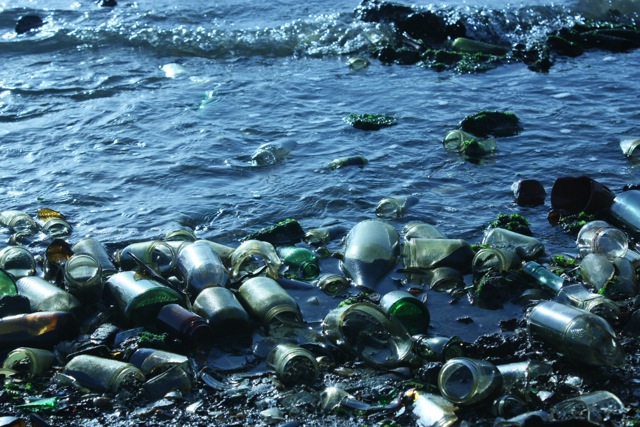
Dead Horse Beach
The twentieth century witnessed the drying up of New York: shifting the industrial port across the harbor to Newark, exhausting the oyster beds, turning South Street Seaport into a museum,. That’s where the mighty four-masted USS Peking sits today, her 170-foot steel mainmast dwarfed by skyscrapers. The twenty-first century, however, with its ecological crises, extreme weather, and growing recall of oceanic history, is returning to New York’s salt-water identity.
Drawing on the forgotten waterscapes of the city, the catastrophic floods of Hurricane Sandy, and still-wet histories and legends, these talks and conversations surface the oceanic substrata on which New York floats. Oceanic New York goes beyond insular Manhattoes to Dead Horse Bay, Breezy Point, Gravesend, Hell Gate Bridge. Anywhere salt water seeps into our shoes and stains our clothes.
Three weeks from today…